These are termed seasonal forests as they are adapted to an annual dry season.
We are going to be looking here at:
- Deciduous seasonal forest
- Semi-evergreen seasonal forest
- Evergreen seasonal forest
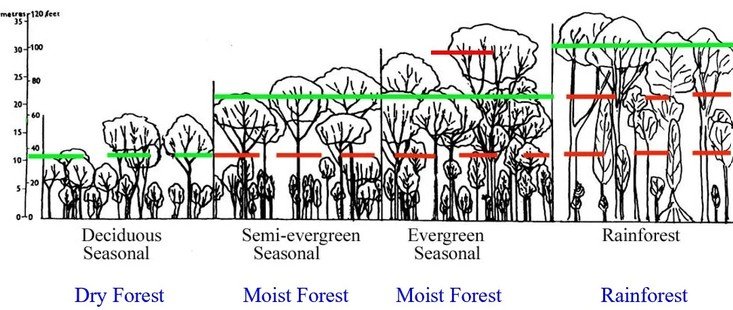
Rainforest with its 3 tree tiers, the uppermost closed, is included for comparison but is dealt with on its own webpage.
Deciduous seasonal forest
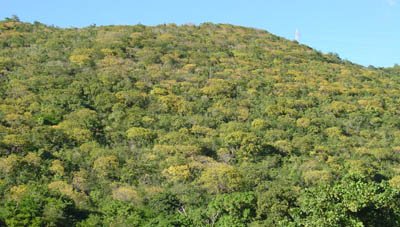
This is also termed dry forest and is found in low-lying areas. It has an upper open canopy at 20 m high and a lower closed shrub layer. Half the trees may be deciduous, shedding their leaves in the dry season, e.g. Whitewood (Tabebuia heterophylla & T. pallida) and birchgum (Bursera simaruba). Half the trees may have compound leaves. The lower shrubby layer can be quite dense and includes thorny species like bread ‘n’ cheese (Pithecellobium unguis-cati), ink berry (Randia aculeata) and even some cacti. There are lianas but few if any epiphytes. What remains of this forest is often heavily impacted. Some of the dry gullies of Barbados fit this category. The entire gully system in Barbados is of the order of 430 km in length with 250 km being forested.
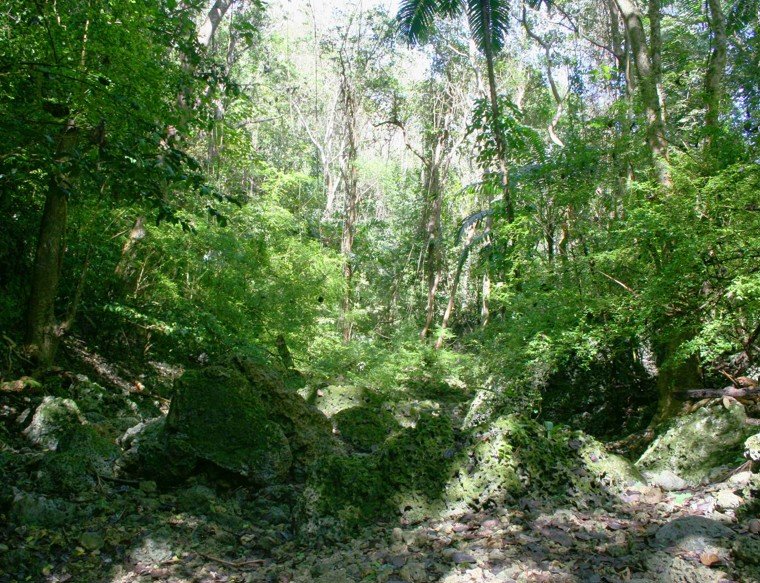
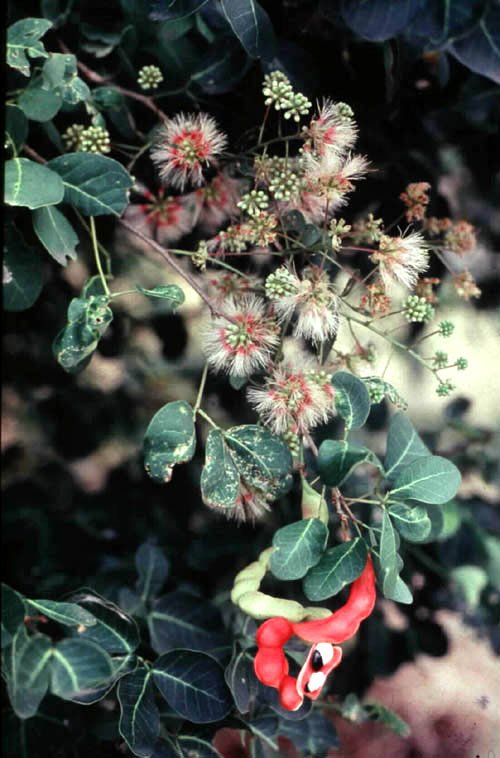
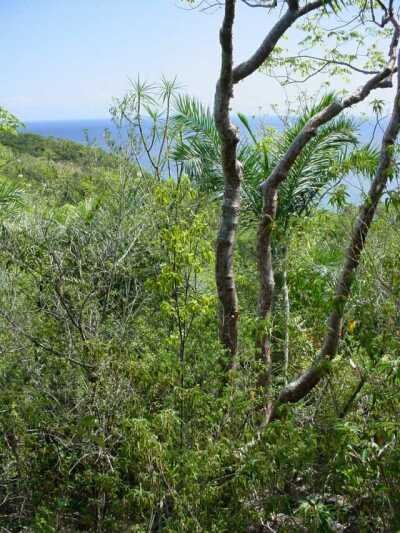
Photo © Sean Carrington.
Environmental factors
Annual rainfall of 800-1300 mm (30-50″) and a marked 5 month-long dry season.
Animals
Iguanas, other lizards (skinks, Anoles, ground lizards), birds, hermit (“soldier”) crabs, spiders, many kinds of invertebrates
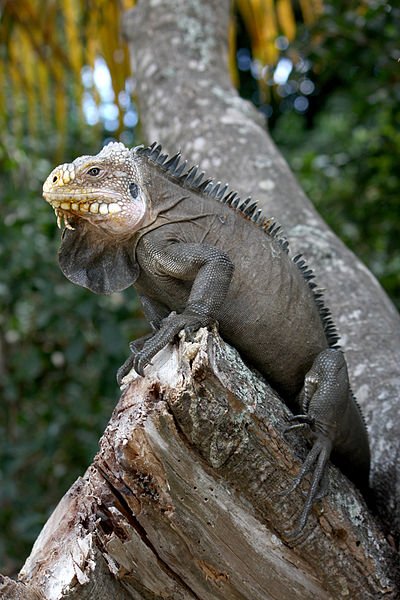
Photo by Postdlf (CC BY-SA 3.0).
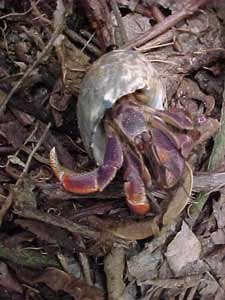
on dry forest floor. Photo © Sean Carrington.
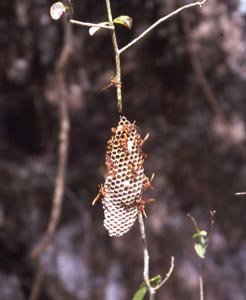
Photo © Sean Carrington.
Caribbean Vegetation Mapping Project Equivalent
I.B.1.N.a. Lowland or submontane drought-deciduous forest
(LOWLAND/SUBMONTANE DROUGHT-DECIDUOUS FOREST)
(TYPES TO BE DEFINED)
Semi-evergreen seasonal forest
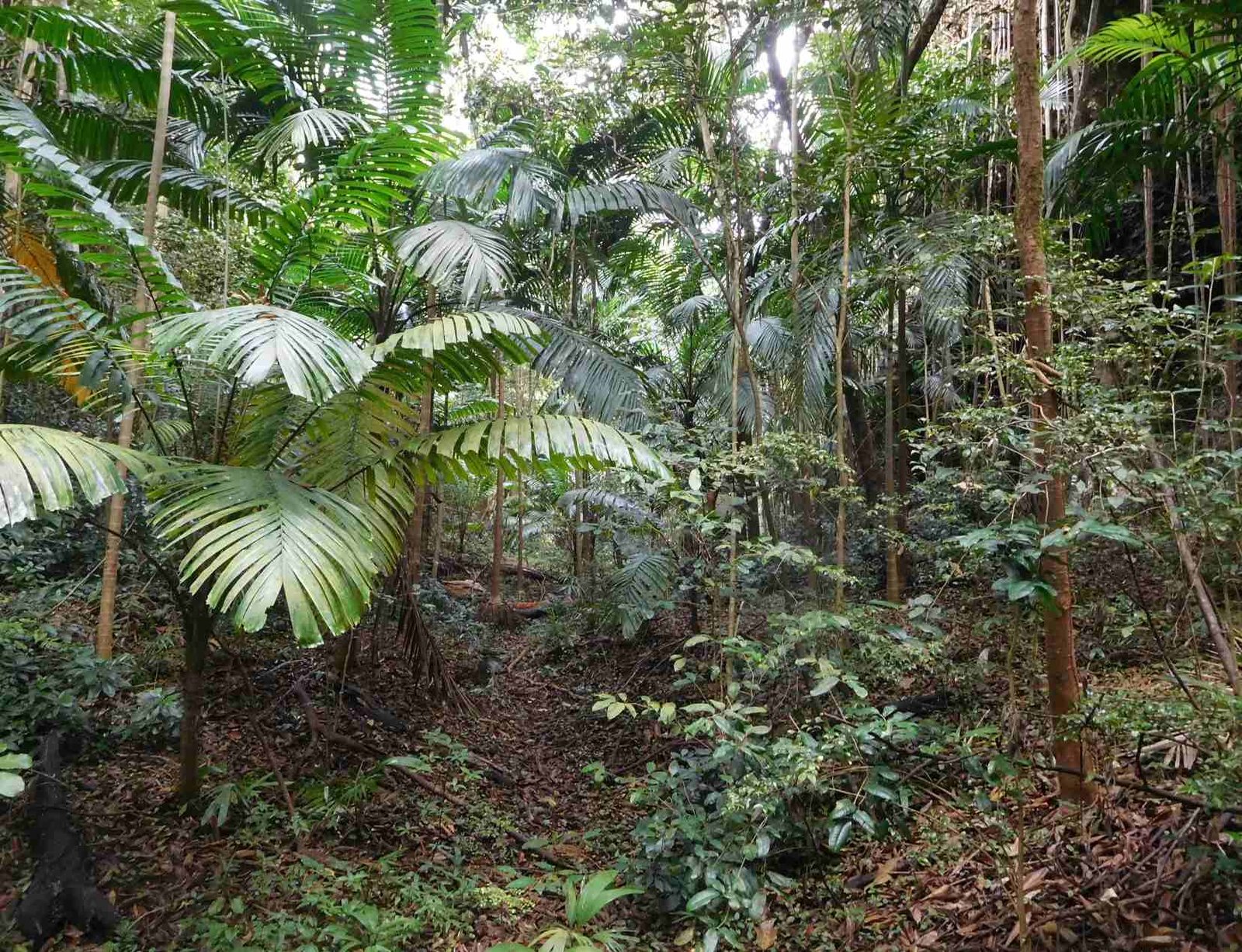
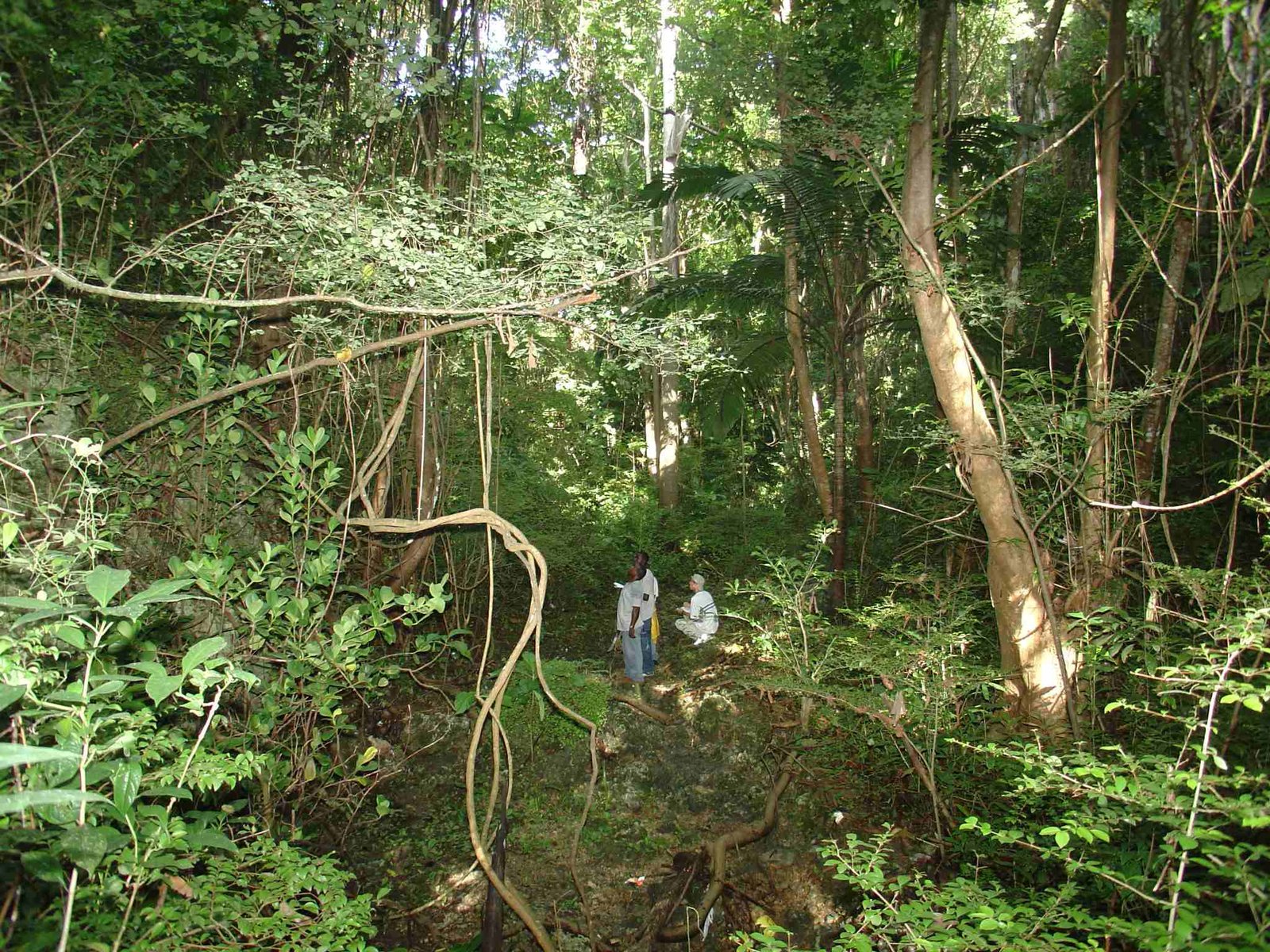
This is also termed moist forest and is found at slightly higher (100-300 m) or more sheltered locations. This is a two storied forest with an upper closed canopy at 20 m high and a lower open tree layer at about half that height. The upper trees are mainly evergreens like Spanish oak (Inga laurina) and beefwood (Pisonia fragrans) but a minority (< 1/3) may shed their leaves in the dry season, e.g. locust (Hymenaea coubaril). The lower layer is evergreen (e.g. balata – Manilkara bidentata) with the macaw palm (Aiphanes minima) in this layer. A shrub layer with members of the coffee (Rubiaceae) and guava (Myrtaceae) families is present but there are few herbs and epiphytes. The canopy has many woody vines or lianas.
Examples of this forest type in Barbados are found in some of the deeper gullies and parts of Turner’s Hall Wood, while Wallings, Antigua, and King’s Hill, St Vincent, are further examples.
Environmental factors
Annual rainfall of 1300-1800 mm (50-70″) but still a 5 month-long dry season.
Animals
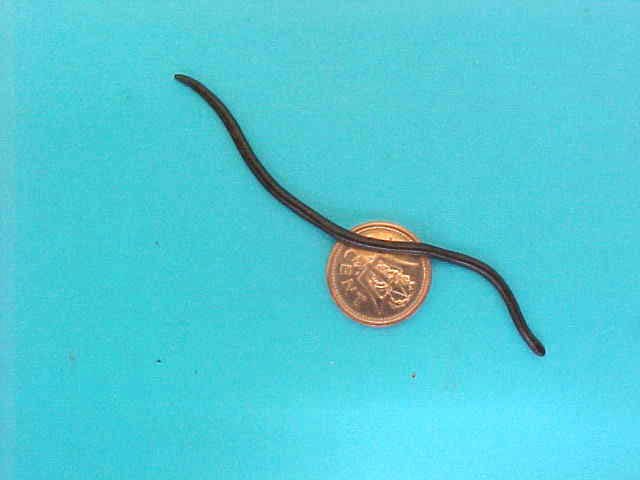
Lizards, birds, snakes and much more
Caribbean Vegetation Mapping Project Equivalent
I.C. MIXED EVERGREEN-DECIDUOUS FOREST
I.C.1.N.a. Lowland tropical or subtropical semi-deciduous forest
(LOWLAND SEMI-DECIDUOUS FORESTS)
I.C.1.N.a. Tabebuia pallida – Coccoloba swartzii – Bursera simaruba Forest Alliance
Evergreen seasonal forest
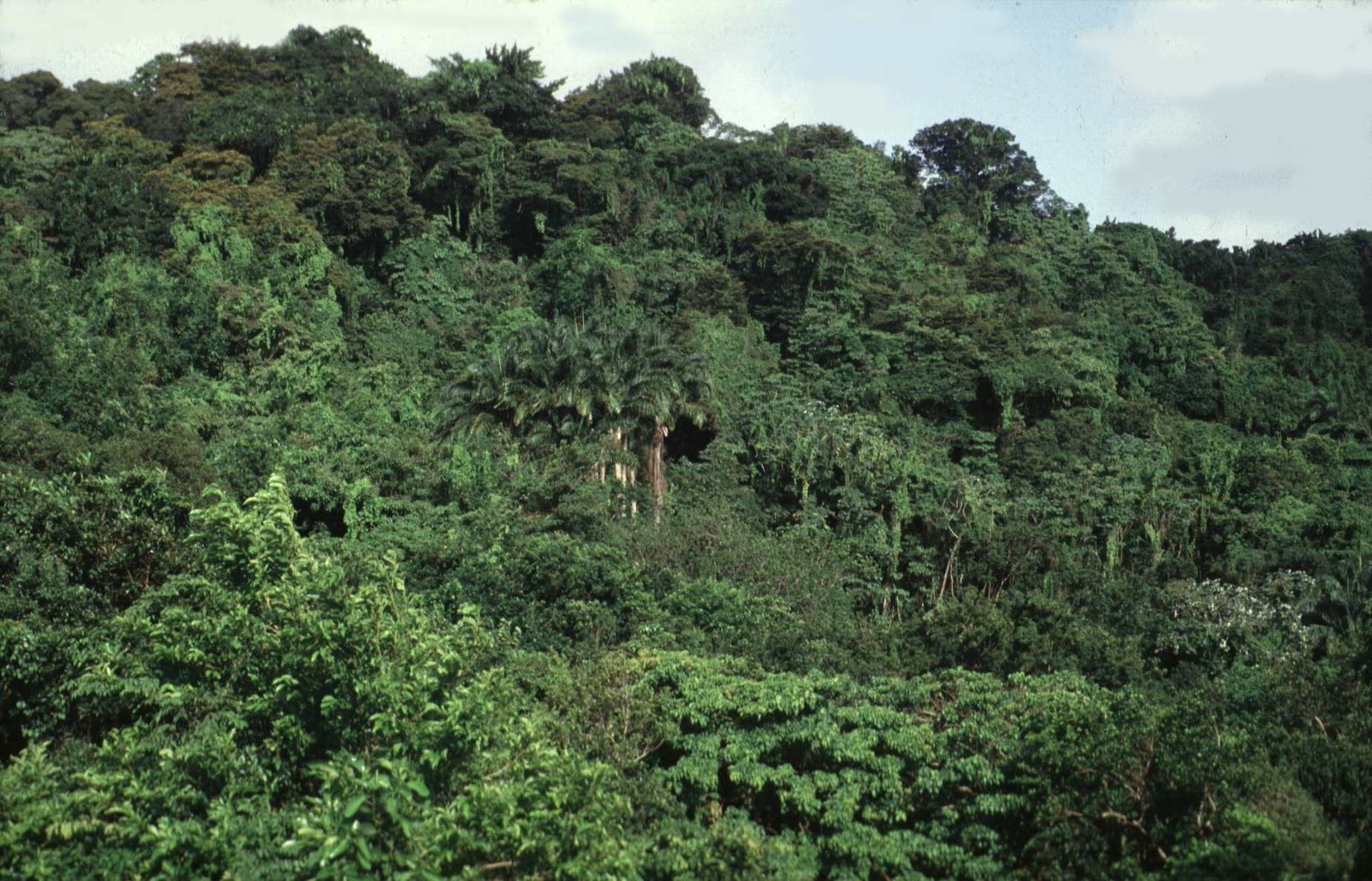
This is also termed moist forest and is found at slightly higher (100-300 m) or more sheltered locations. It comprises mainly broad-leaved evergreen trees but still with some foliage reduction in the dry season. Imagine the semi-evergreen seasonal forest just described but with scattered trees like sandbox (Hura crepitans), silk cotton (Ceiba pentandra) and cabbage palm (Roystonea oleracea) occasionally emerging above the upper closed canopy. A few species in this community are also found in rainforest. The more mesic, luxuriant parts of Turner’s Hall Wood in Barbados fit this category.
Environmental factors
Annual rainfall of >1800 mm (70″) and a shorter 3 month dry season.
Caribbean Vegetation Mapping Project Equivalent
I.A.3.N.a. Lowland tropical or subtropical seasonal evergreen forest
(LOWLAND SEASONAL EVERGREEN FOREST)
Ceiba pentandra – Roystonea spp. Forest Alliance
Animals
Lizards, birds, snakes, insects.
Mountain Chicken (Crapaud): Leptodactylus fallax
One of the world’s largest frogs, the Mountain Chicken also known as the Crapaud or the Giant Ditch Frog can reach 22 cm and weigh up to a kilogram. Once common in coastal and transitional forests across the Lesser Antilles, it is only found today (2026) in Dominica and Montserrat.
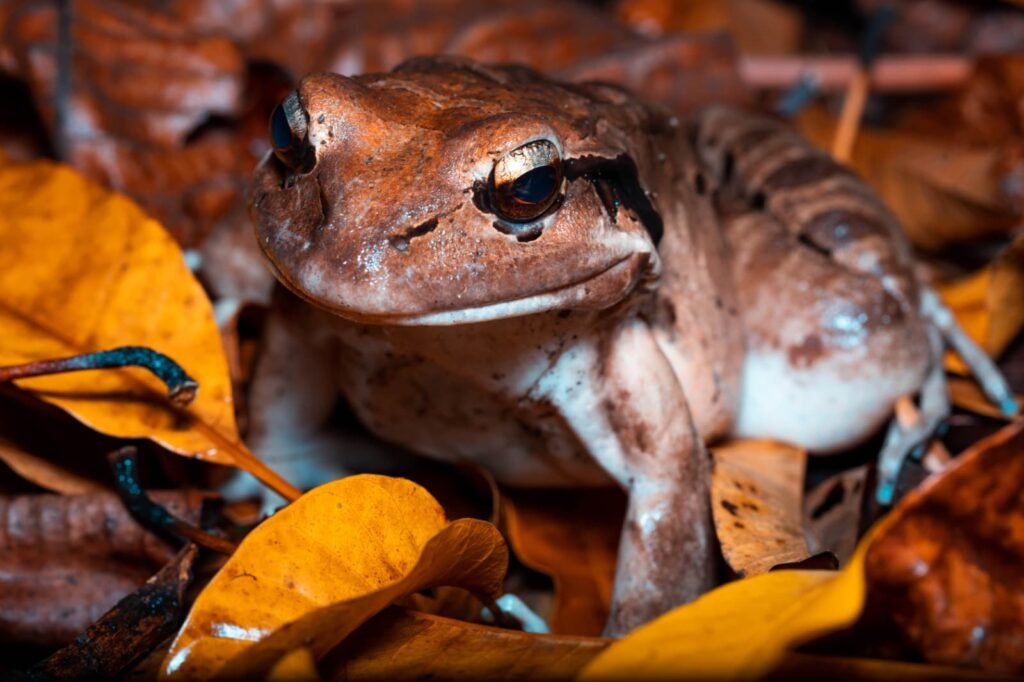
Since 2002, the fungal disease chytridiomycosis has devastated populations, and hunting and habitat loss added further pressure. Now Critically Endangered- 30 in the wild in Dominica, the species survives through conservation breeding programs and protected habitat. Check out the Mountain Chicken Recovery Programme.
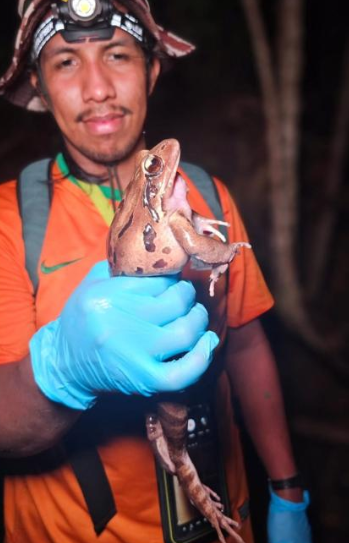
Garry Auguiste of the NGO WildDominique checking a mountain chicken during an assessment exercise. Photo © Nicholas Walker.