Wetlands are ecosystems flooded or saturated with water permanently or seasonally. Marshes are wetlands dominated by emergent herbaceous plants while swamps are dominated by woody vegetation.
We are going to be looking at:
- Marsh or herbaceous wetland vegetation
- Swamp forest
- Mangrove
Marsh vegetation
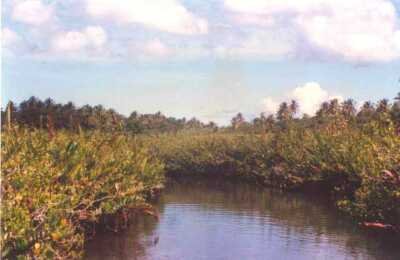
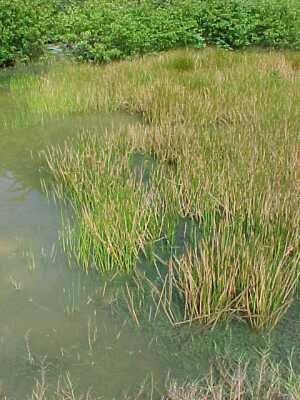
In areas with periodic flooding or standing water, an emergent vegetation dominated by sedges and grasses is found. In islands like Cuba and Trinidad certain palms are found in this habitat as well.
Environmental features
Fresh to brackish water, anaerobic substratum.
Animals
Various crabs (especially fiddler crabs), resident and migratory birds.
Caribbean Vegetation Mapping Project EquivalentCaribbean Vegetation Mapping Project Equivalent
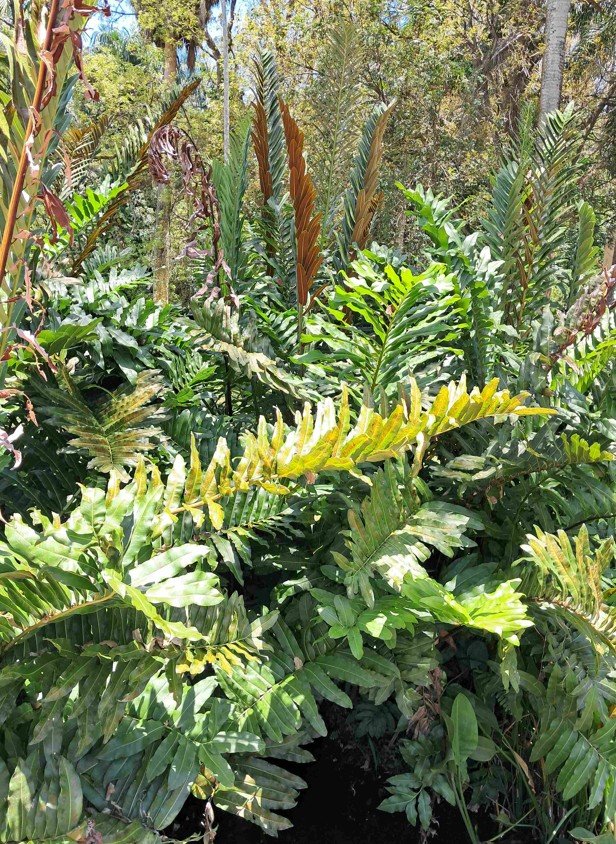
V.B.1.N.e. Tidally flooded tropical or subtropical perennial forb vegetation Acrostichum aureum – Acrostichum danaeifolium Herbaceous Alliance
V.A.1.N.g. Seasonally flooded tropical or subtropical grassland Eleocharis interstincta – Sagittaria lancifolia Herbaceous Alliance
Swamp Forest
This is an essentially freshwater, riparian (river bank) swamp forest found from St Lucia to Guadeloupe (but not Barbados and virtually absent in Martinique). It is dominated by the 20 m tall leguminous tree Pterocarpus officinalis. This tree has sinuous roots the top edges of which project above water level and allow gas exchange. The high humidity allows the growth of epiphytes.
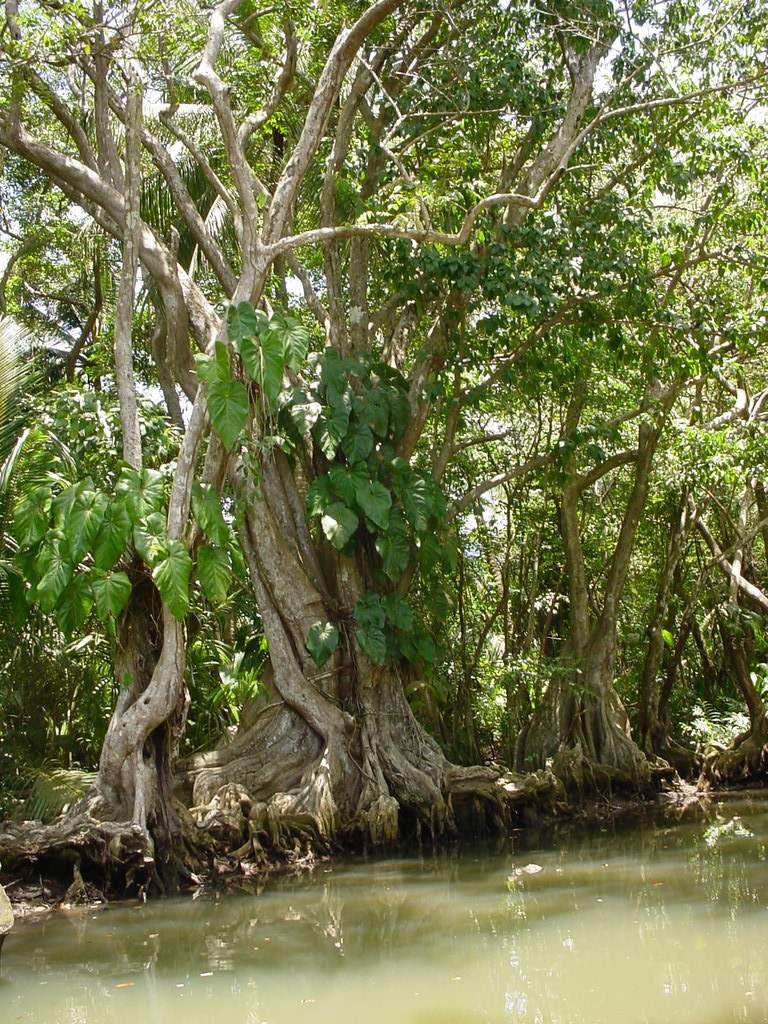
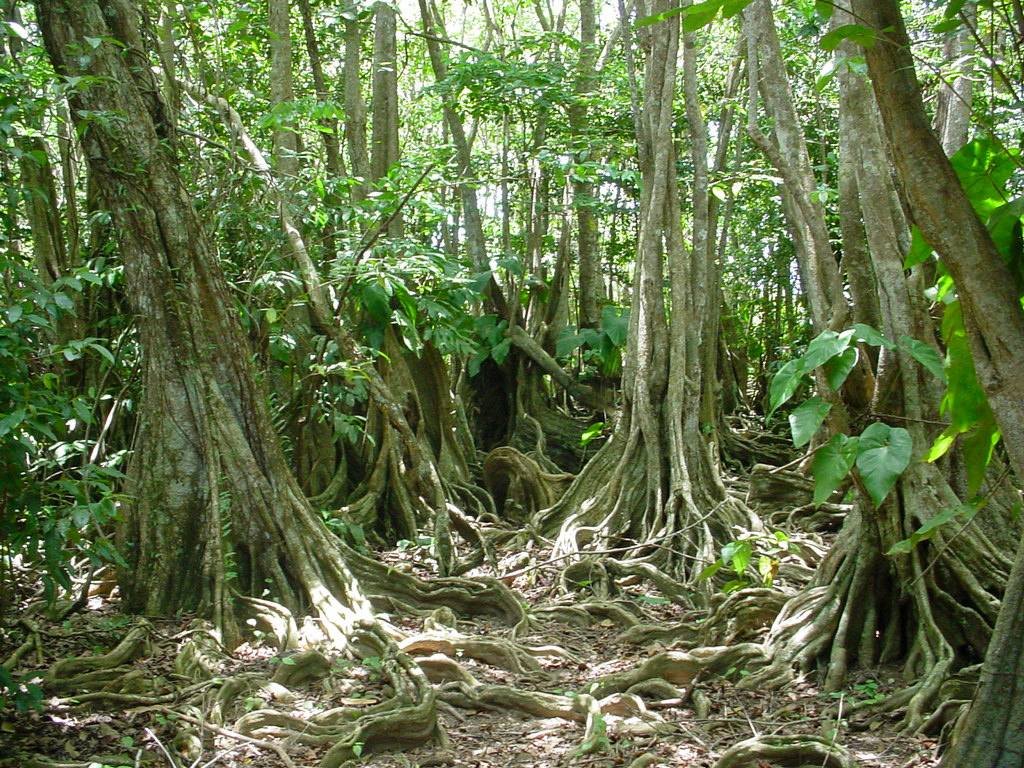
(Photo © Sean Carrington.)
Enviornmental conditions
Periodic flooding leading to waterlogged, anaerobic substratum.
Animals
Various crabs (especially fiddler crabs), resident and migratory birds, boa constrictors.
Caribbean Vegetation Mapping Project Equivalent
I.A.1.N.f. Tropical or subtropical seasonally flooded rain forest
Pterocarpus officinalis Forest Alliance
Mangrove
This community, also known as mangal, develops on leeward sea shores in areas of freshwater discharge.
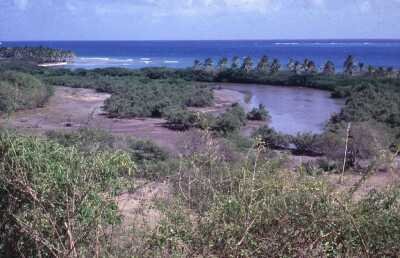
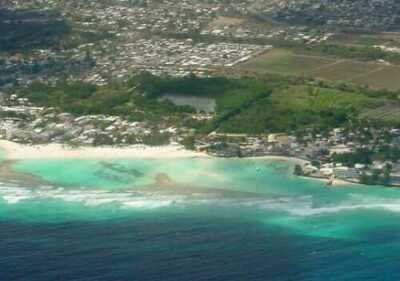
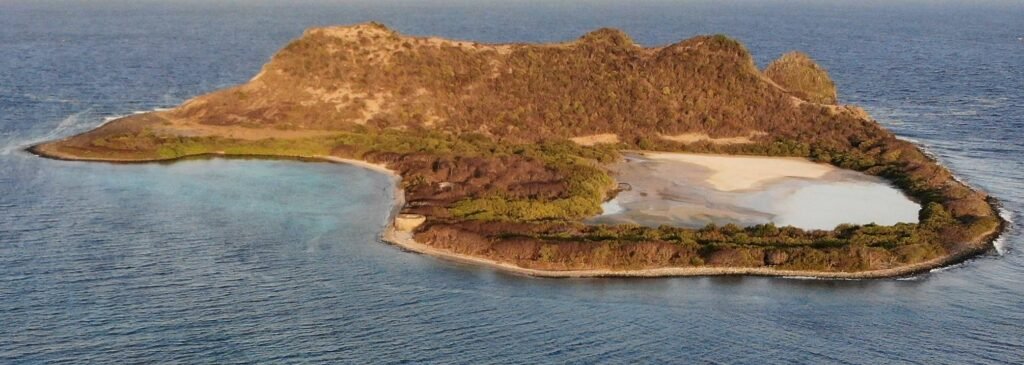
(Photo © Juliana Coffey.)
Visit Richès Karayib for a good overview of Caribbean mangroves.
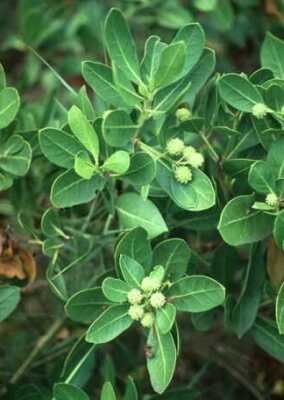
A distinct succession is evident as one proceeds back from the sea. Red mangrove (Rhizophora mangle) is the most salt-tolerant mangrove tree and forms a monoculture near the sea. Further back, in less saline areas, white mangrove (Laguncularia racemosa) and black mangrove (Avicennia spp.) predominate. Few other plant species are found aside from the swamp fern (Acrostichum aureum). Further inland, under less saline and drier conditions, the button mangrove (Conocarpus erectus) and coastal scrub and woodland components enter the picture.
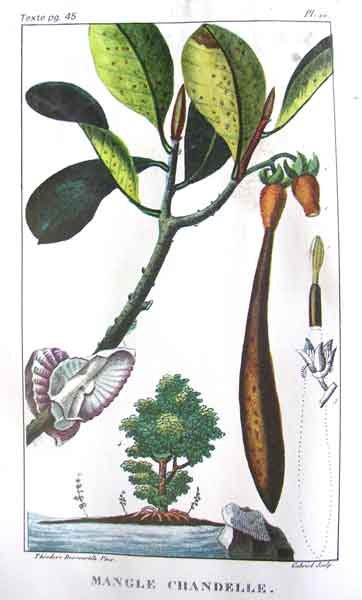
“Flore Pittoresque et Medicale des Antilles…”
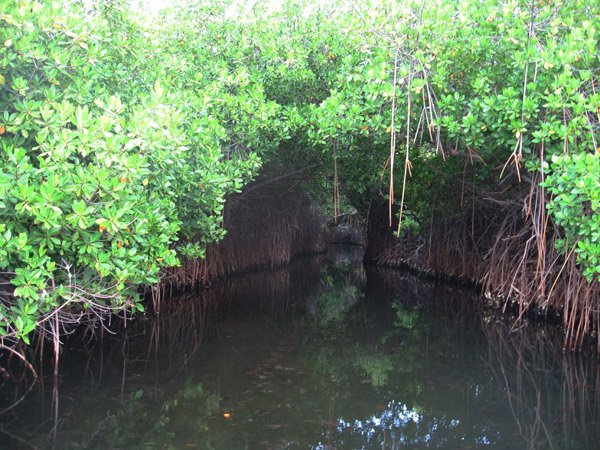
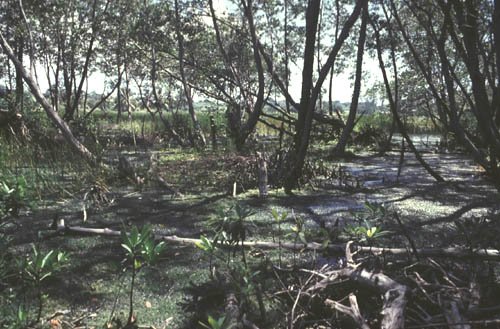
(Photo © Sean Carrington.)
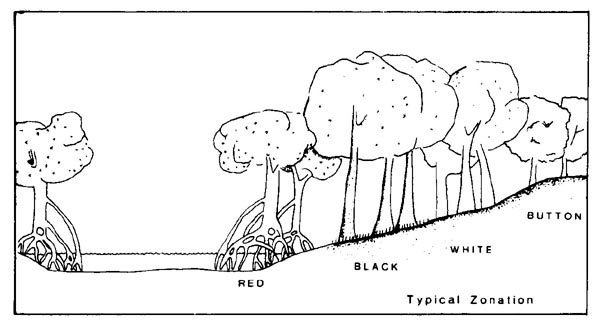
| Seaward | Landward |
Front line mangrove species…
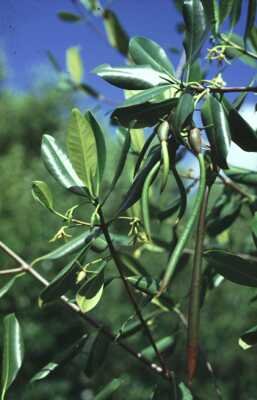
(Photo © Sean Carrington.)
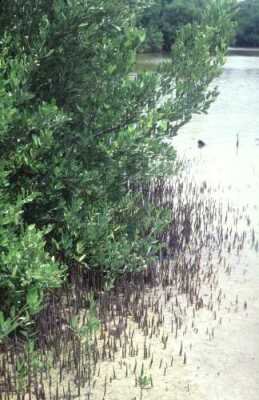
(Photo © Sean Carrington.)
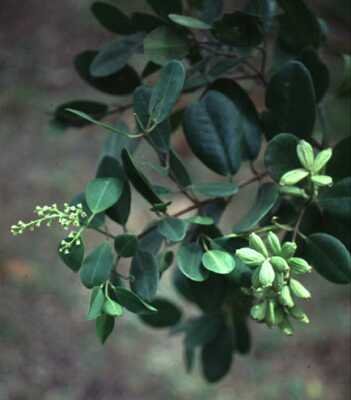
(Photo © Sean Carrington.)
(Photo © Sean Carrington.)
Environmental features
Salinity, anaerobic substratum, tidal variation.
Animal Life
Various crabs, especially fiddler crabs,
resident and migratory birds. Many sponges, molluscs, fish and crustaceans in the waters beneath.
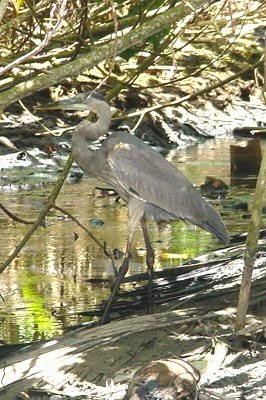
Great Blue Heron (Ardea herodias), a North American species that spends the winter months (or meets its death) in the West Indies.
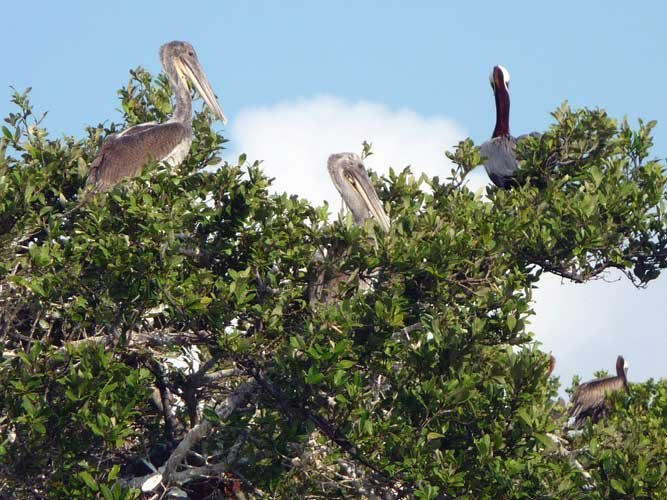
Roosting brown pelicans (Pelecanus occidentalis) at Port Royal mangrove, Jamaica. (Photo © Myrna Bernard.)
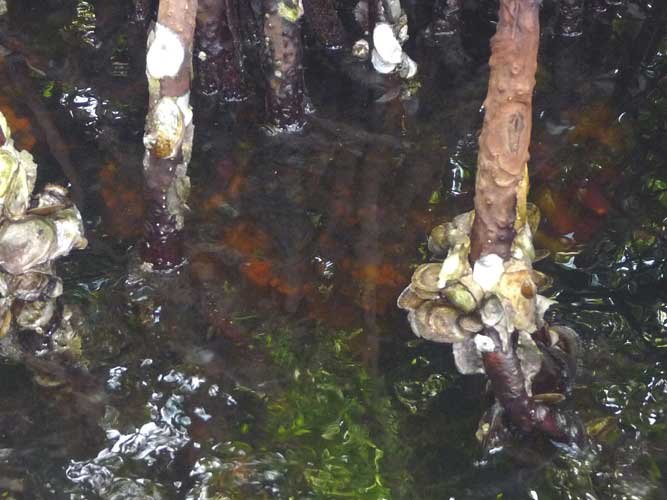
The (flat) tree oyster, Isognomon alatus, (above water) and an orange-coloured sponge, Terpios zeteki, (below water) growing on red mangrove prop roots. Both species are widespread in the Caribbean. (Photo © Myrna Bernard.)
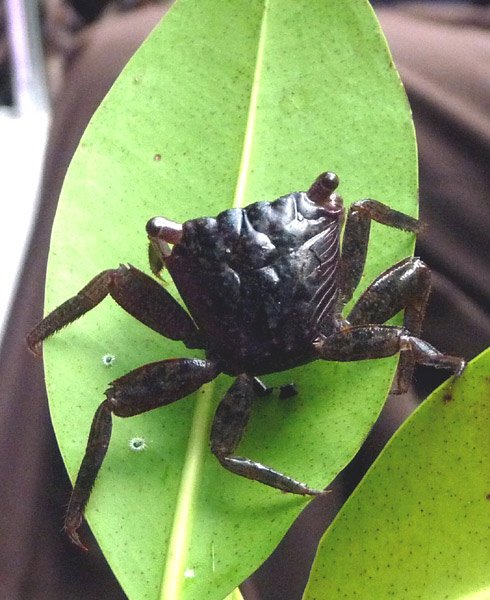
The mangrove (tree) crab, Aratus pisonii, (seen here at Port Royal, Jamaica) is a leaf-eating crab found in mangroves from Florida to Brazil. (Photo © Myrna Bernard.)
Further Information on Caribbean Wetlands
This guide to Wetland Plants of the Bahamas is useful even though some of the species may not be found in other parts of the Caribbean.
Caribbean Vegetation Mapping Project Equivalent
I.A.5.N.f. Tidally flooded tropical or subtropical broad-leaved evergreen sclerophyllous closed tree canopy. Avicennia germinans Forest Alliance (Black Mangrove Forest Alliance; Mangle prieto Forest Alliance)
Conocarpus erecta Forest Alliance Laguncularia racemosa Forest Alliance (White Mangrove and Mixed Mangrove Forests)
Rhizophora mangle Forest Alliance (Red Mangrove Forests)